With summer fast approaching, the chances are your to-do list is already as long as your arm – flights to check in for, currency to sort, that suncream you keep forgetting to buy. But somewhere amongst all of it, has ear health made the list? For most people it hasn’t, and most of the time that’s fine. But for a surprising number, a build-up of ear wax has a way of making itself known at exactly the wrong moment – halfway through a descent, or on the first morning of a beach holiday when the sea water simply won’t drain away.
I’ve spent over 25 years working as cabin crew, still fly regularly and I’ve seen this happen more times than I can count. Passengers in genuine discomfort during landing, quietly suffering through something that a short appointment before travel would have prevented entirely. It’s one of the reasons I feel so strongly about this.
What flying does to your ears
When a plane descends, the air pressure in the cabin increases and your ears need to equalise — that familiar popping sensation is your eardrums doing exactly what they should. For most people it’s brief and unremarkable.
When there’s a significant wax build-up, the eardrum can’t move as freely as it needs to. The wax creates resistance, slowing down or blocking equalisation altogether. What should be a momentary sensation can become sharp pain, prolonged muffled hearing, or a feeling of intense pressure that doesn’t shift for hours after landing. I’ve spoken to passengers who’ve spent their first full day of holiday unable to hear properly or in real discomfort — and all because of something that could have been sorted at home before they left.
In more serious cases, the pressure difference can cause a perforated eardrum. This is uncommon, but it does happen, and recovery means several weeks of keeping water out of the ear and avoiding flying. Not the souvenir anyone wants to bring home.
What makes this particularly frustrating is that many people have no idea their wax levels are a problem until they’re already airborne.
Swimming and trapped water
Water in the ears is an inevitable part of summer — pools, the sea, open water if you’re that way inclined. Usually it drains away on its own without any fuss.
The problem with wax is that it can act as a barrier. Water gets past it on the way in but can’t drain properly on the way out. Sitting warm and trapped in the ear canal, it creates the perfect conditions for bacterial growth, and the result is often swimmer’s ear — a painful infection of the outer ear canal that causes itching, swelling, discharge and sometimes temporary hearing loss.
Swimmer’s ear is treated with antibiotic ear drops, but those drops struggle to reach the affected area properly if wax is also present, which can slow recovery significantly. Children tend to be more susceptible, but adults who swim regularly are far from immune. If you or anyone in your family is prone to ear trouble, getting things checked before a holiday with a lot of time in the water is a very sensible precaution.
Dealing with ear problems abroad is harder than you’d think
It’s easy to assume that if something goes wrong on holiday it can be dealt with at the time. In reality, accessing the right kind of ear care in an unfamiliar place is more complicated than most people expect.
Finding a suitable clinic, navigating a possible language barrier, working out what your travel insurance will actually cover in the moment — none of it is straightforward when you’re supposed to be relaxing. Private ear care in European holiday resorts tends to be priced for a captive audience, and what might cost a reasonable amount at home can be several times that abroad. Getting reimbursed through travel insurance, where it applies at all, usually means holding onto every receipt and dealing with a claim when you get back.
Getting sorted before you travel is simpler, quicker and considerably cheaper. It also means you can actually enjoy your holiday from the moment you land.
What to expect from ear wax removal treatment
If you haven’t had professional ear wax removal before, I want to reassure you that it really is straightforward. I offer both microsuction and ear irrigation, and I come to you at home.
Microsuction uses gentle suction to remove wax carefully and precisely. Ear irrigation uses a controlled flow of warm water to flush the canal clear. Both are safe and well tolerated, and most appointments are around 60 minutes. The improvement in hearing is often immediate — clients regularly tell me they hadn’t realised how much they’d been missing until it was gone.
Ready to fly?
If you have a holiday coming up or your ears have simply been feeling less than their best, it’s worth getting booked sooner rather than later.
I come to you at home in Nottingham, the appointment takes around 60 minutes, and you’ll notice the difference straight away.
You may also be interested in:
-
Are DIY ear wax removal tools safe?
By Alex Hutter • May 5, 2026I had a wonderful client today – lovely to meet Keith! I visited him at his home to help with a stubborn ear wax blockage he’d been struggling with for a while. Before calling me,… -
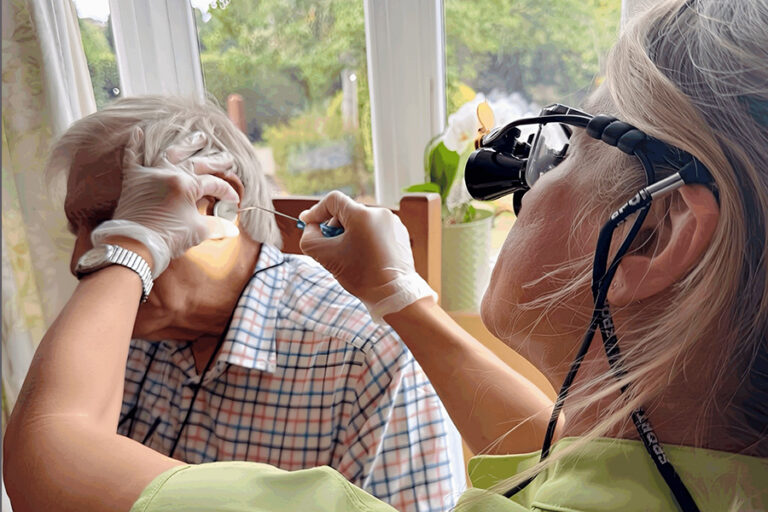
Ear wax removal in Beeston
By Alex Hutter • May 2, 2026The problem ear wax build up was causing My dad had been struggling with muffled hearing for a while. He was missing words mid-conversation, turning the television up far louder than usual, and gradually withdrawing…